1. What is plasma?
1.1. A short overview
- Gas is composed of atoms and/or molecules. When enough energy is supplied to this gas, for example through heat, radiation or electric field, then:
- Some of its atoms can lose electrons
- Some of its molecules can lose electrons and dissociate
- The resulting gas contains always electrons and ions, forming an ionized gas.
- If the density of electrons equals the density of ions, it is called a plasma. This plasma can be:
- Fully ionized if it contains only electrons and ions. Such plasma is called hot plasma.
- Partiallyez ionized if, in addition to electrons and ions, it contains neutral species that are stable (atoms and molecules) or unstable (chemical reactive species, like OH radicals). Such plasma is called cold plasma (or non-thermal plasma).
- Unlike an ordinary gas, plasma can conduct electricity, produce chemical reactions and light, as well as respond to electric and magnetic fields.
- Because plasma is electrically neutral at macroscopic scale and because its charged species can present a collective behavior, it is often associated to a distinct state of matter after solids, liquids, and gases. It is commonly called the fourth state of matter.
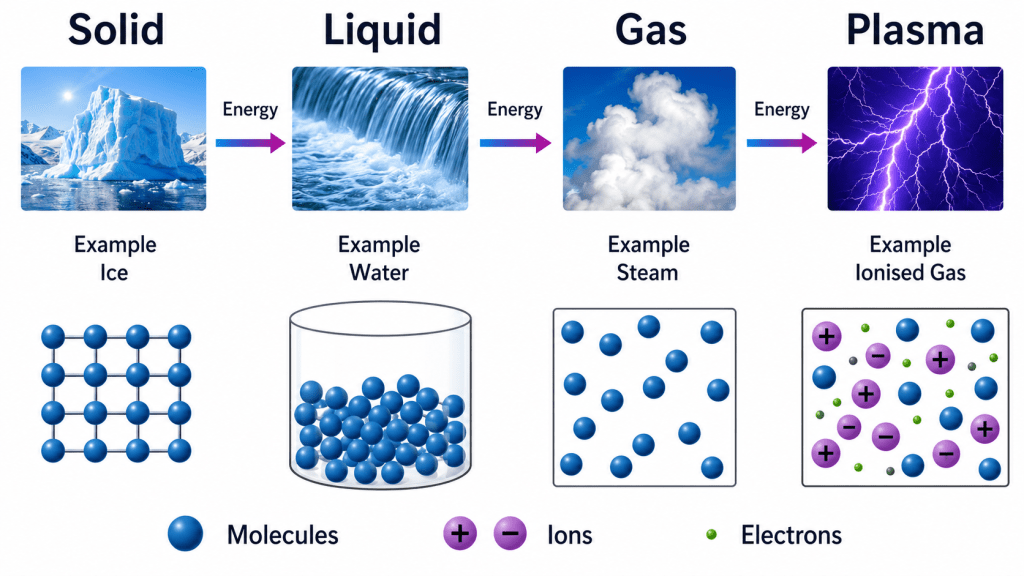
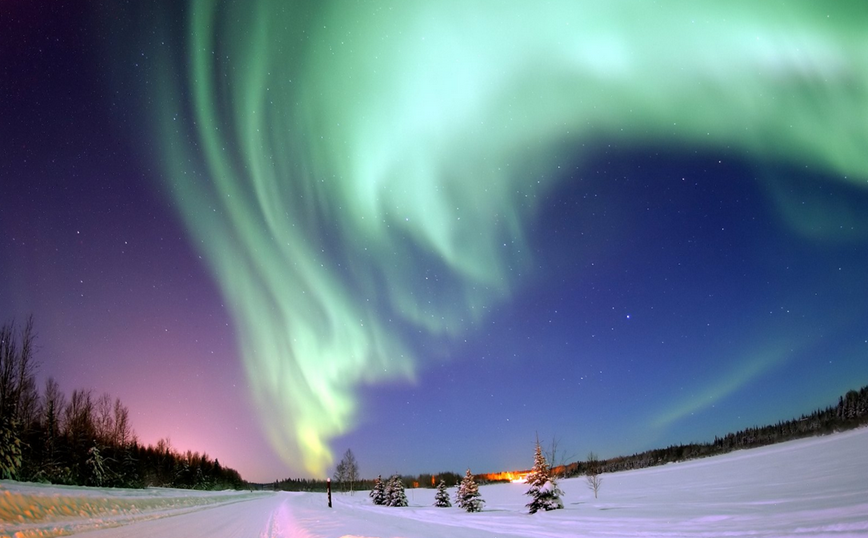
- Plasmas occur naturally in the Sun, stars, auroras, lightning, and interstellar space. They are also created in laboratories and industry for applications such as microelectronics, surface treatment, medicine, agriculture, environmental treatment and fusion research. This makes plasma a fascinating medium for both fundamental physics and advanced technologies.
1.2. Natural plasmas vs Artificial plasmas
| Feature | Natural Plasmas | Laboratory & Industrial Plasmas |
|---|---|---|
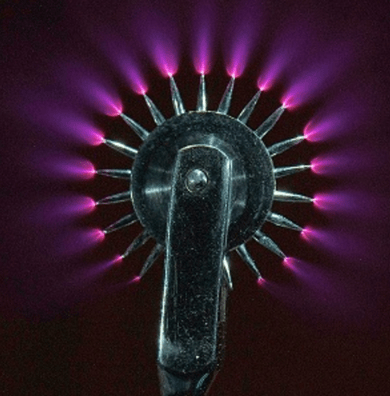
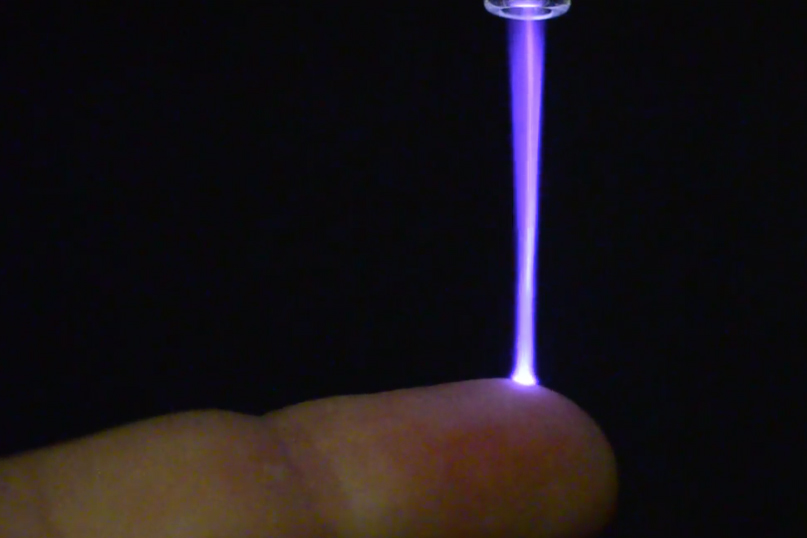
| Where found | Sun, stars, auroras, lightning, solar wind | Neon lights, plasma TVs, fusion reactors, semiconductor tools, plasma torches |
| Scale | Gigantic (cosmic) or atmospheric (lightning bolts, auroras) | Small to medium (lab devices, industrial chambers) |
| Conditions | Very high temperatures, strong fields, violent events (lightning strikes) | Controlled environments: low pressure chambers, atmospheric jets, magnetic confinement |
| Examples | Lightning during thunderstorms, auroras over the poles, solar flares | Glow discharge tubes, plasma etching, plasma sterilization, fusion experiments |
| Why important | Explains natural phenomena & space weather; powers the Sun and stars | Enables technology, medicine, and potential fusion energy |
.



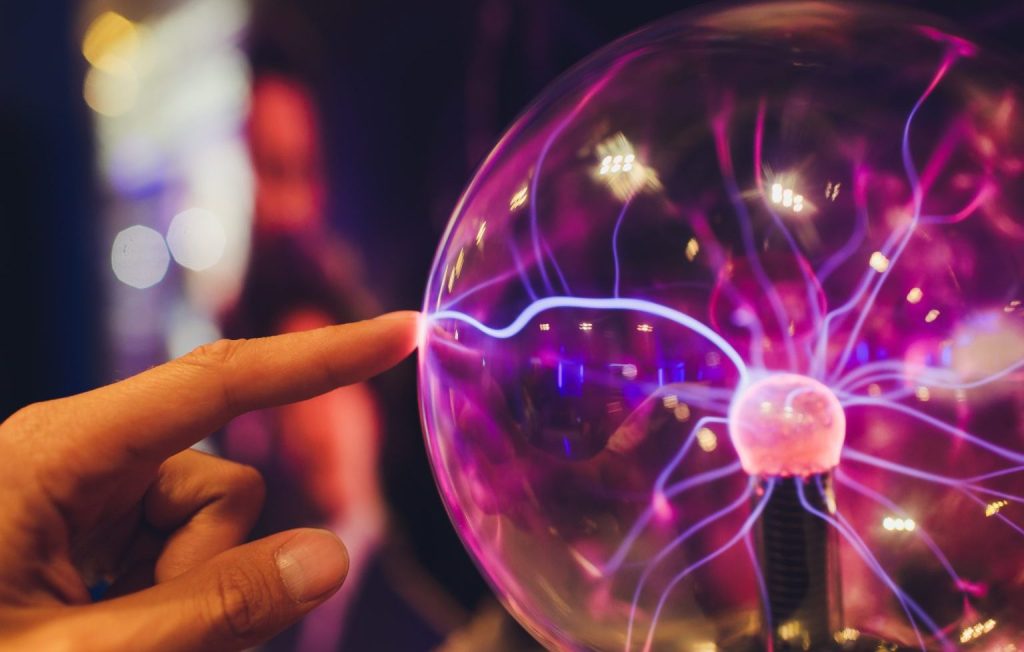
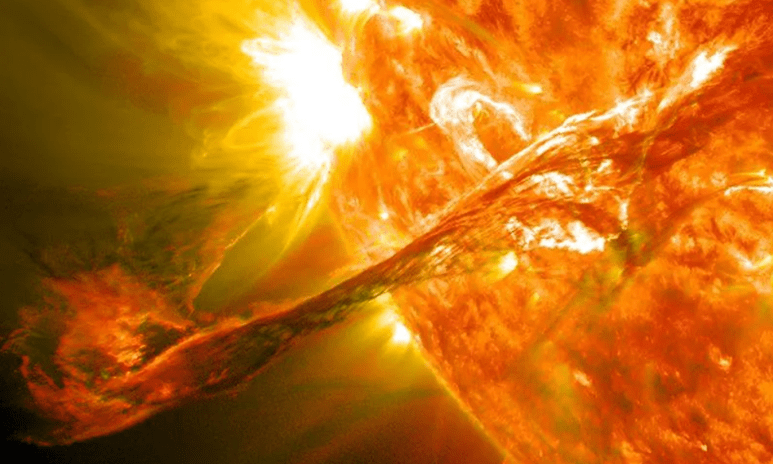

.
1.3. Hot plasmas vs. Cold plasmas
| Feature | Hot Plasmas | Cold Plasmas (Non-thermal) |
|---|---|---|
| Temperature | Millions of °C (both electrons & ions are very hot) | Near room temperature overall, but electrons are hot while ions and gas stay cool |
| Where found | Sun, stars, solar wind, fusion reactors | Neon lights, plasma TVs, medical plasma jets, industrial processes |
| Characteristics | Extremely energetic, must be confined by magnetic fields or inertia | Safe to handle in some cases, created at low or atmospheric pressure |
| Applications | Fusion energy, astrophysics, space science | Sterilization, wound healing, surface cleaning, microchip fabrication |
| Why important | Model of the universe, future clean energy source | Everyday technologies and biomedical innovation |
2. Why study plasma physics?
- Plasma physics is a multidisciplinary field. It connects physics, chemistry, biology, engineering, medicine, environmental science, and materials science.
- By studying plasmas, you can explore questions such as:
- How do charged particles move in electric and magnetic fields?
- How can we control reactive species and plasma chemistry?
- How do plasmas interact with liquids, cells, tissues, seeds and microorganisms?
- Can plasmas help develop new medical treatments?
- Can plasmas contribute to sustainable agriculture or environmental technologies?
- How can we design safer, more efficient plasma sources?
- Plasma physics is both a fundamental science and an applied science. As a student, it allows you to work on real scientific problems with potential societal impact.
3. Cold plasma research in our group
Our research focuses on the physics and applications of cold plasmas, especially at the interface with life sciences.
Current and recent research topics include:
- Cold plasma sources for biomedical applications
- Plasma endotherapy for cancer treatment
- Plasma–liquid interactions
- Plasma-activated liquids
- Plasma agriculture and seed treatment
- Plasma interaction with microorganisms
- Reactive oxygen and nitrogen species
- Optical and electrical diagnostics
- Numerical simulations of plasma behavior
- Plasma devices for interdisciplinary applications
As a student in internship, you can contribute through experiments, diagnostics, data analysis, numerical modeling, image analysis, or device development.
4. Who can join?
- We welcome motivated students from different backgrounds, including:
- Physics
- Plasma physics
- Engineering
- Biomedical engineering
- Chemistry
- Biology
- Materials science
- Data science
- Applied mathematics
- Depending on the project, you may work on:
- Experimental plasma devices
- Electrical measurements
- Optical emission spectroscopy
- Plasma treatment of liquids, cells, seeds, or surfaces
- Image and data analysis
- Literature reviews
- Numerical simulations
- Interdisciplinary collaborations
- You do not need to know everything about plasma physics before starting. Curiosity, rigor, creativity and motivation are the most important qualities.
5. Internship, Master, and PhD opportunities
Students interested in internships, Master projects, engineering projects, or PhD research are encouraged to contact:
Dr. Thierry Dufour
Sorbonne Université / Laboratoire de Physique des Plasmas
Email: thierry.dufour@sorbonne-universite.fr
- When writing, please include:
- A short introduction
- Your CV
- Your current academic level
- Your university or school
- Your scientific interests
- The type of project you are looking for
- Your preferred dates or period of availability
- Possible topics includes:
- Cold plasma medicine
- Plasma agriculture
- Plasma–liquid interactions
- Plasma diagnostics
- Plasma source design
- Plasma interaction with biological systems
- Numerical simulations
- AI-assisted analysis of plasma or biological data
6. Learn more by level
| High school students | * Start with simple questions: – What are the states of matter? – Why does lightning glow? – What is an aurora? – How does a plasma ball work? * Good starting points include science videos, museum resources, and simple demonstrations such as plasma balls or glow discharge tubes. |
| Bachelor students | * Useful topics to study: Electromagnetism Atomic and molecular physics Thermodynamics Fluid mechanics Basic spectroscopy Introduction to plasma physics * A classical introductory reference is: F. F. Chen — Introduction to Plasma Physics and Controlled Fusion |
| Master students | * Recommended topics include: – Plasma kinetics – Fluid models of plasmas – Collisional and non-collisional plasmas – Plasma chemistry – Plasma diagnostics – Sheaths and discharges – Plasma–surface and plasma–liquid interactions – Numerical modeling * At this level, you can begin contributing directly to research projects |
7. French leading laboratories in plasma physics
- Students interested in plasma physics may explore internship or research opportunities in several French laboratories, including:
- These laboratories cover many aspects of plasma physics, from fundamental studies to applications in energy, materials, environment, and life sciences.

